Natural Stone Guide
A plain-English guide to choosing natural stone for your kitchen, bathroom and feature pieces, written for people building or renovating in Melbourne.
Natural stone is one of the few materials in a home that gets more beautiful with age and outlasts almost everything around it. But "natural stone" covers everything from near-indestructible granite to soft, dreamy onyx, and picking the wrong one for the wrong spot is how people end up with an etched benchtop and a lot of regret.
This is the short version: the three things that actually matter, every major stone in a line, and the traps to avoid. For the four stones most Melbourne kitchens are built from, there's a dedicated page with the detail, the local price picture, and the watch-outs.
Quartzite: the marble look with serious durability
Marble: the classic, with a soft side you need to understand
Granite: the hard-wearing all-rounder
Dolomite: the middle ground, and the most mislabelled stone in the trade
Three things decide how a stone behaves
Chemistry. Every natural stone is built on either calcium or silica, and this one fact predicts most of its behaviour. Calcium-based stones (marble, limestone, travertine, onyx, dolomite) react with anything acidic: lemon, vinegar, wine, tomato, many cleaning sprays. The acid eats a dull, pale mark into the surface called an etch. An etch is a chemical burn, not a stain, and no sealer prevents it. Silica-based stones (granite, quartzite, slate, soapstone) shrug off kitchen acids. This is the single most misunderstood point in stone, and the cause of most disappointment.
Hardness is resistance to scratching, measured on the Mohs scale from 1 (talc) to 10 (diamond). Quartzite and granite are hard and shrug off knives and dragged pots; marble and limestone are soft. Hardness tells you nothing about staining or etching.
Porosity is how much liquid the stone drinks. A porous stone lets wine, oil and coffee soak in and stain. Sealing fills the pores so a spill sits on top long enough to wipe away; it buys you time, nothing more.
The trap: people assume a hard stone is a bulletproof stone. Quartzite happens to be both hard and etch-resistant, so the assumption looks safe. But dolomite, which is routinely sold as "quartzite", looks the part and wears reasonably well, yet still etches. That gap between the label and the chemistry is exactly where buyers get caught.
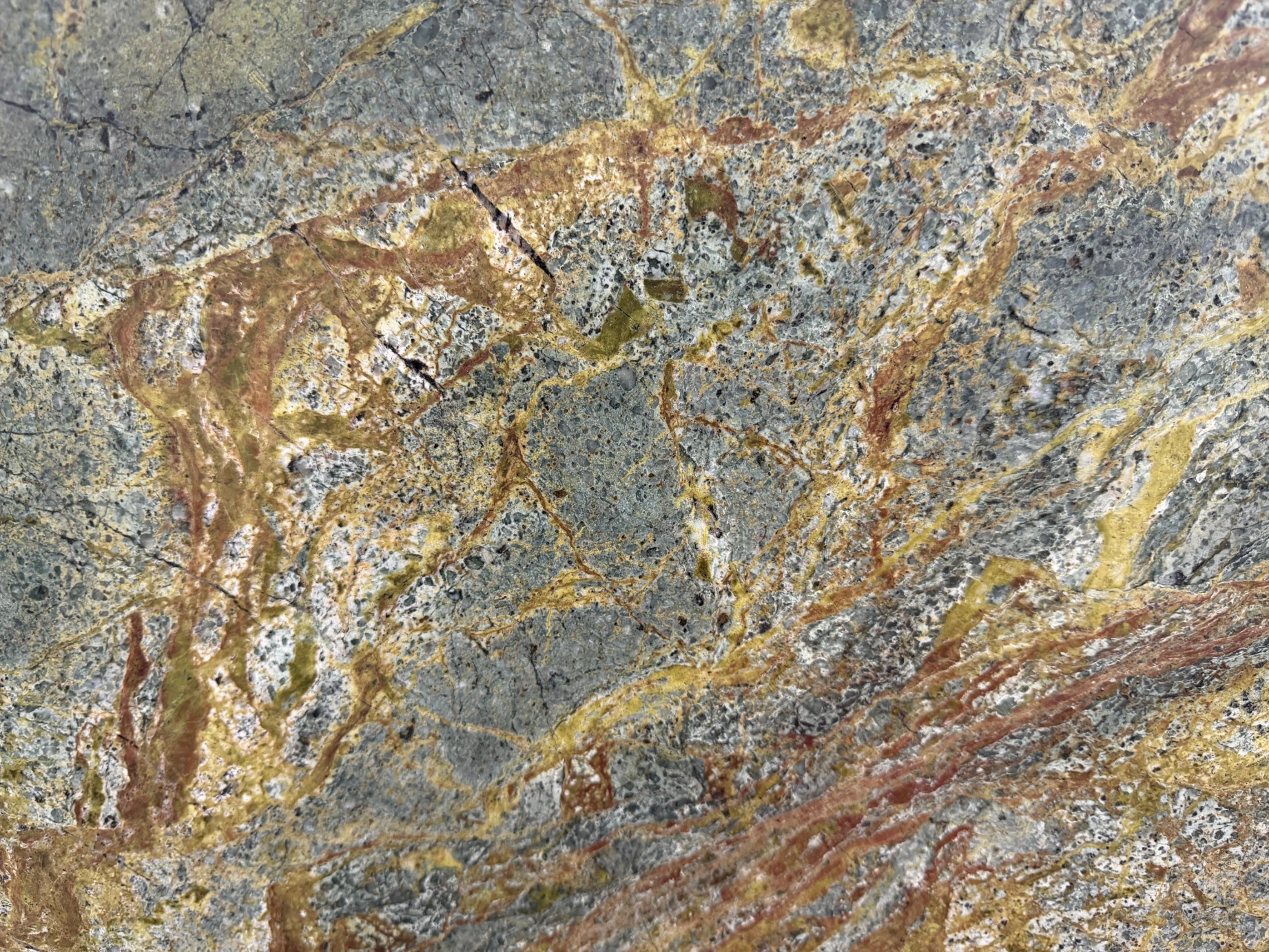
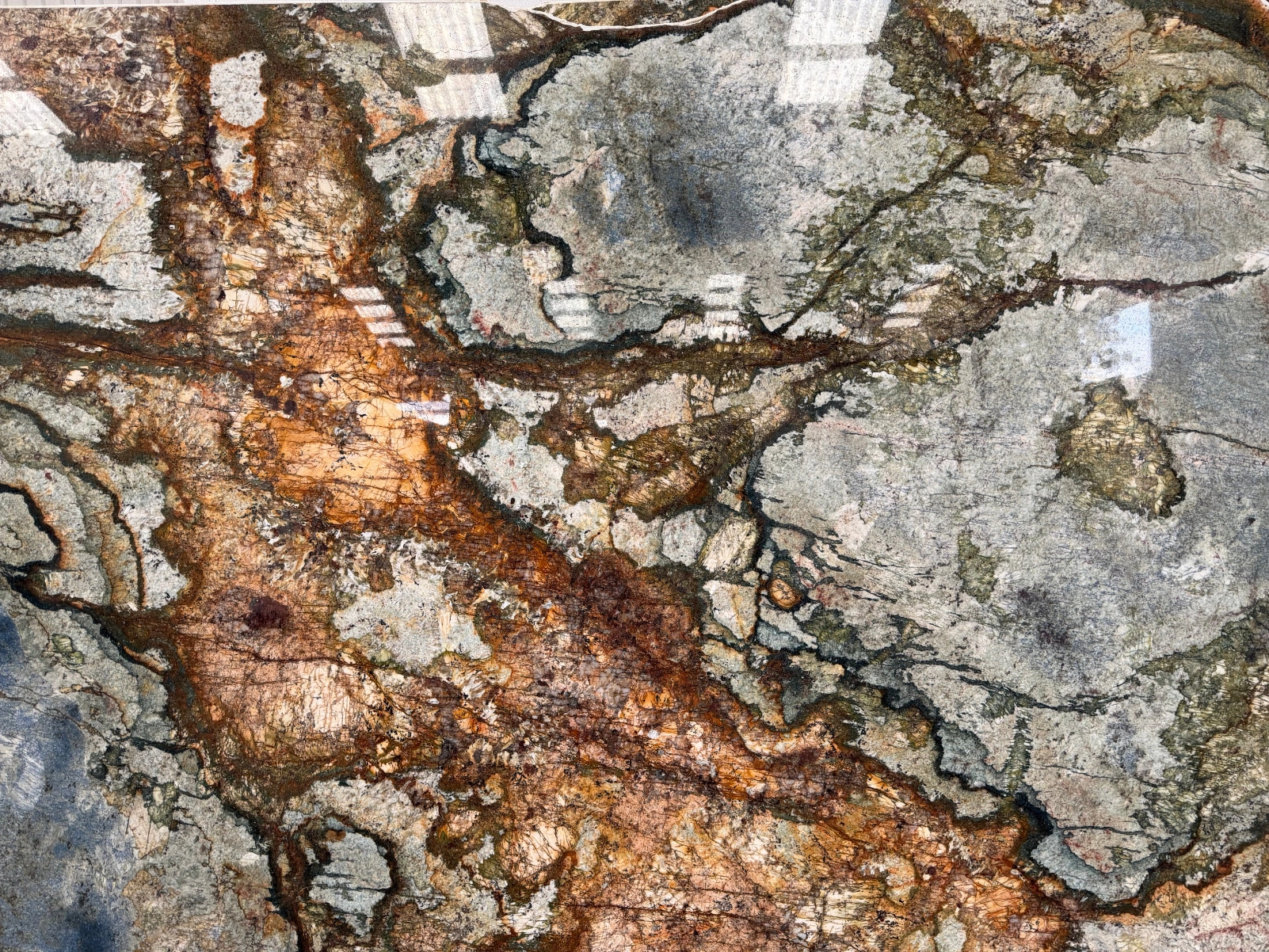
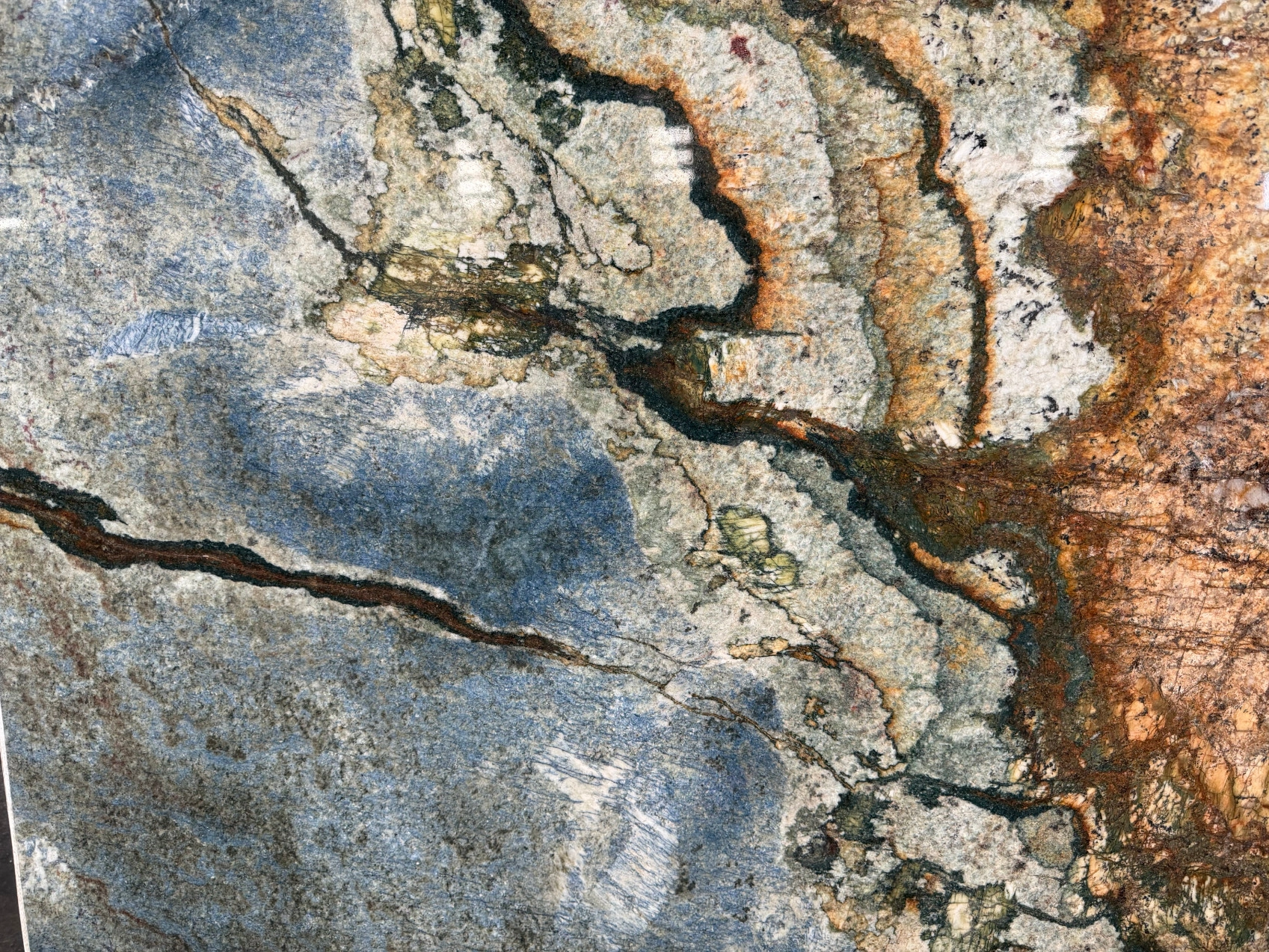
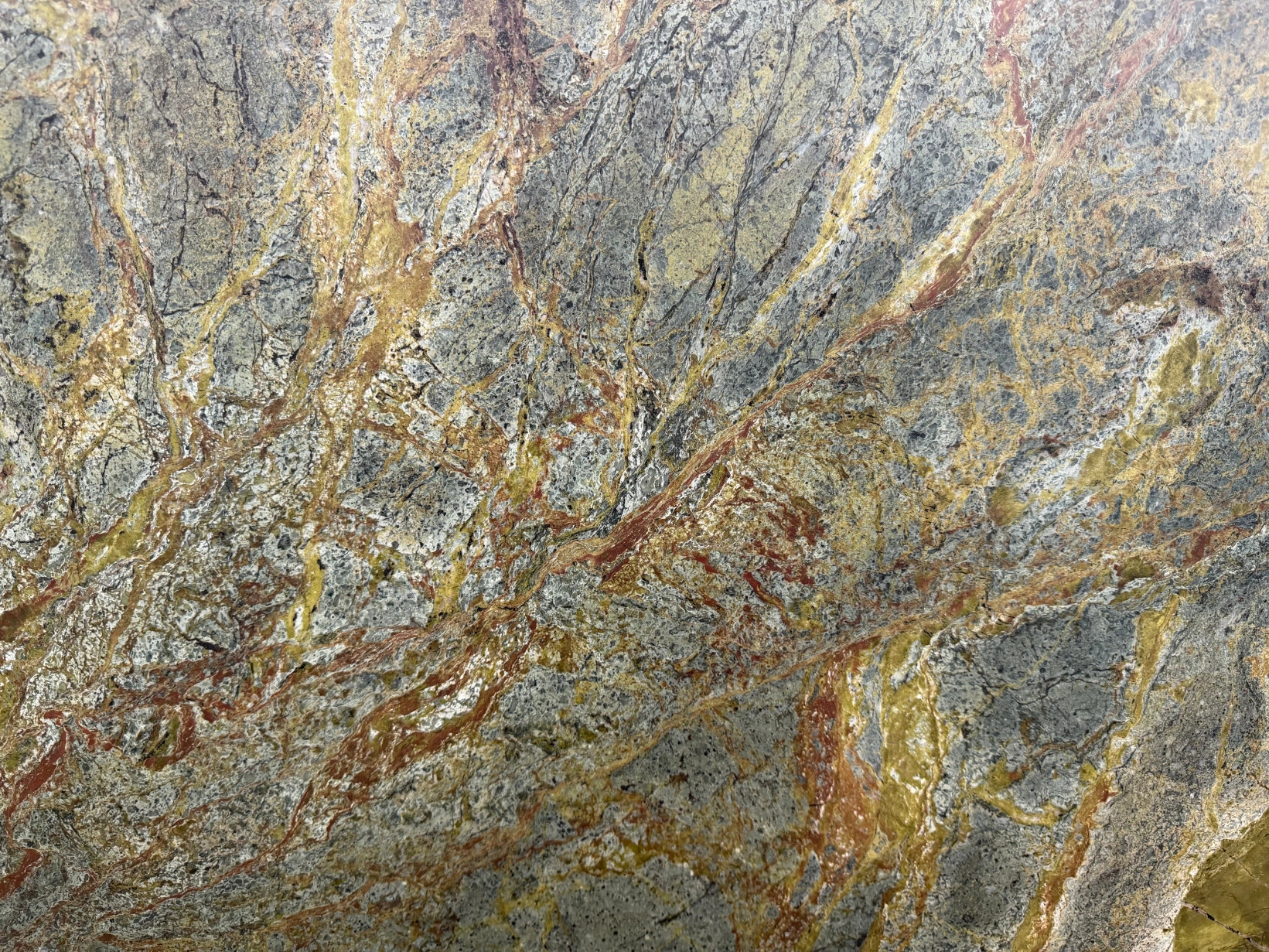
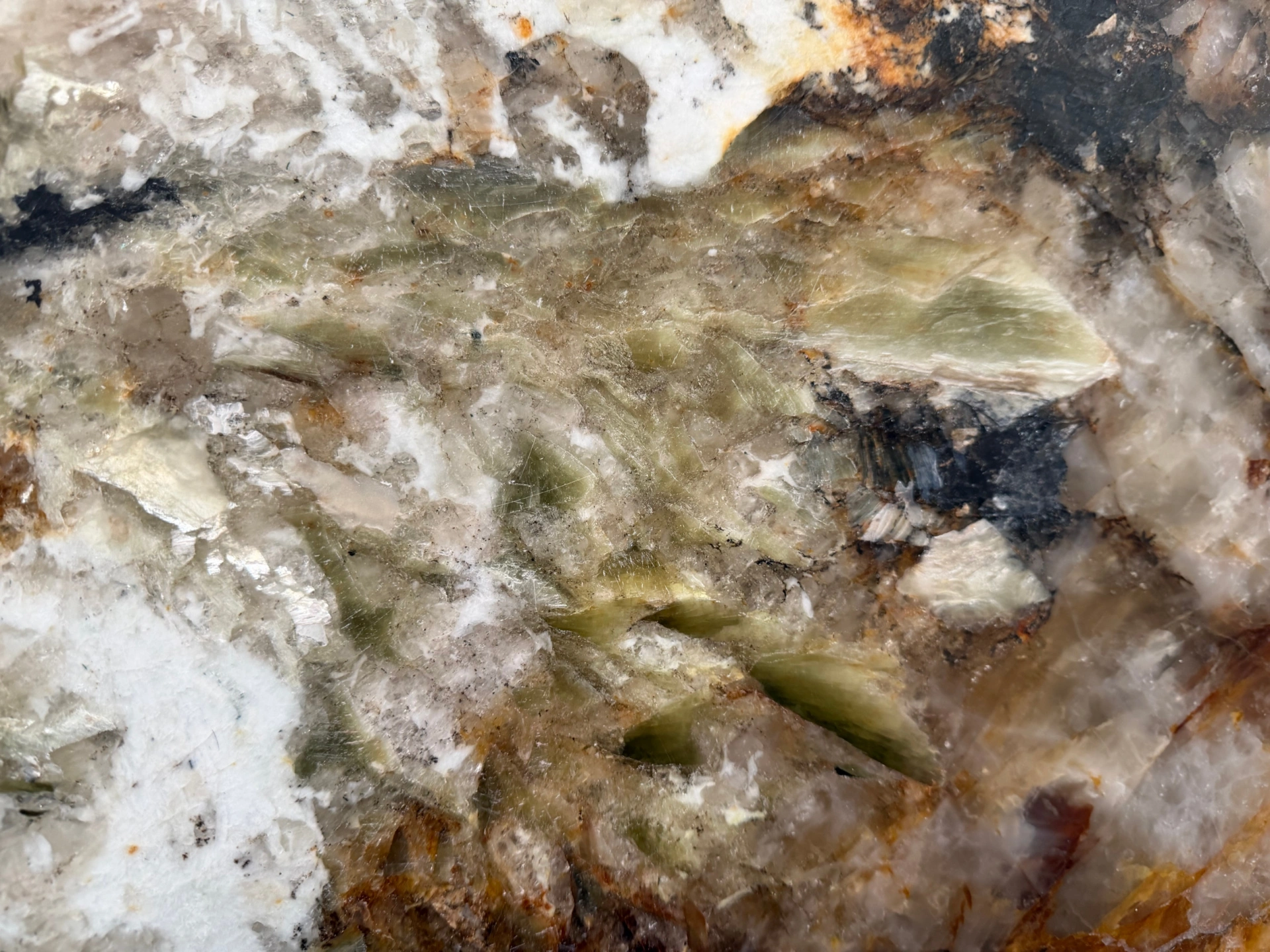
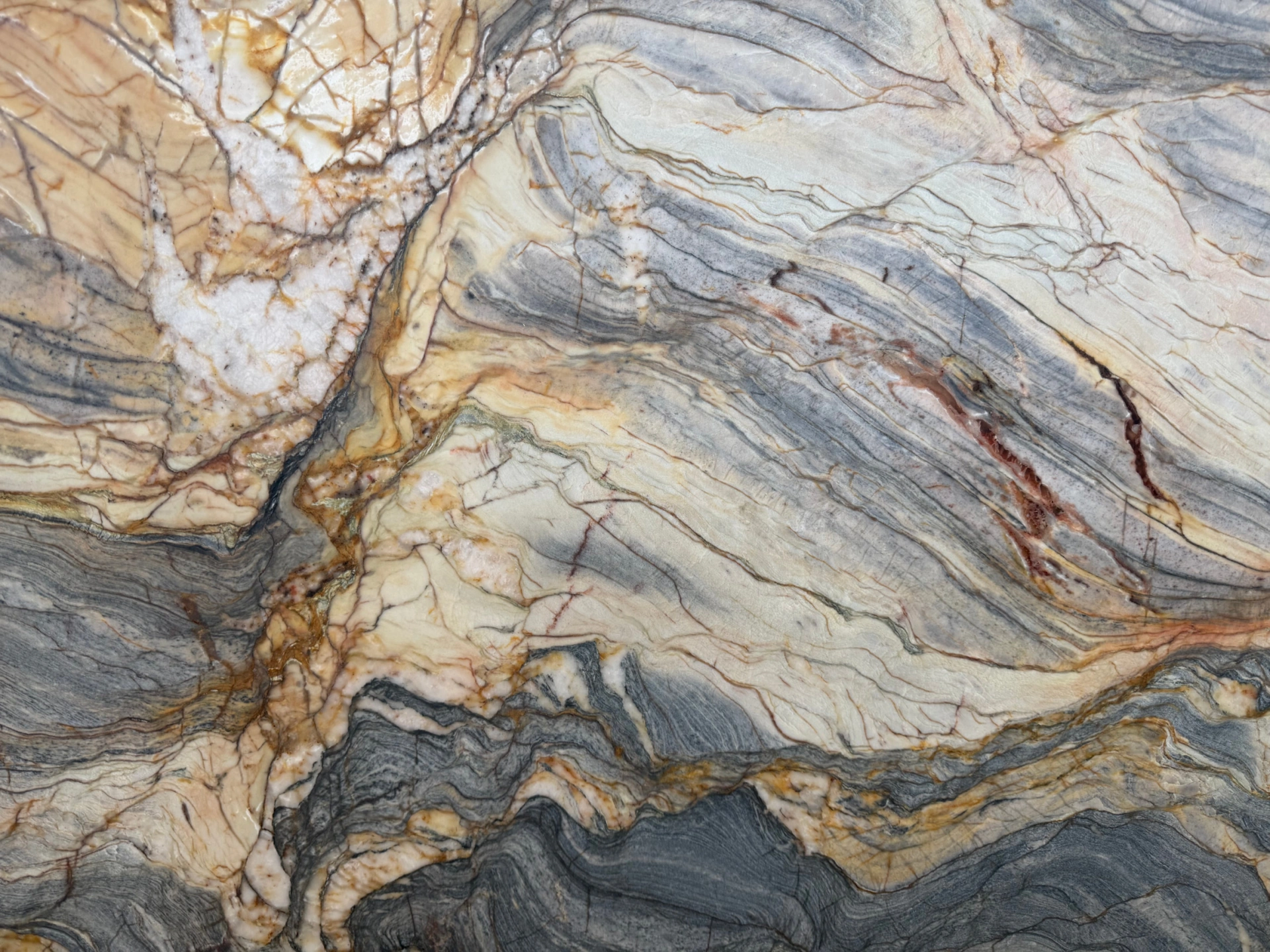
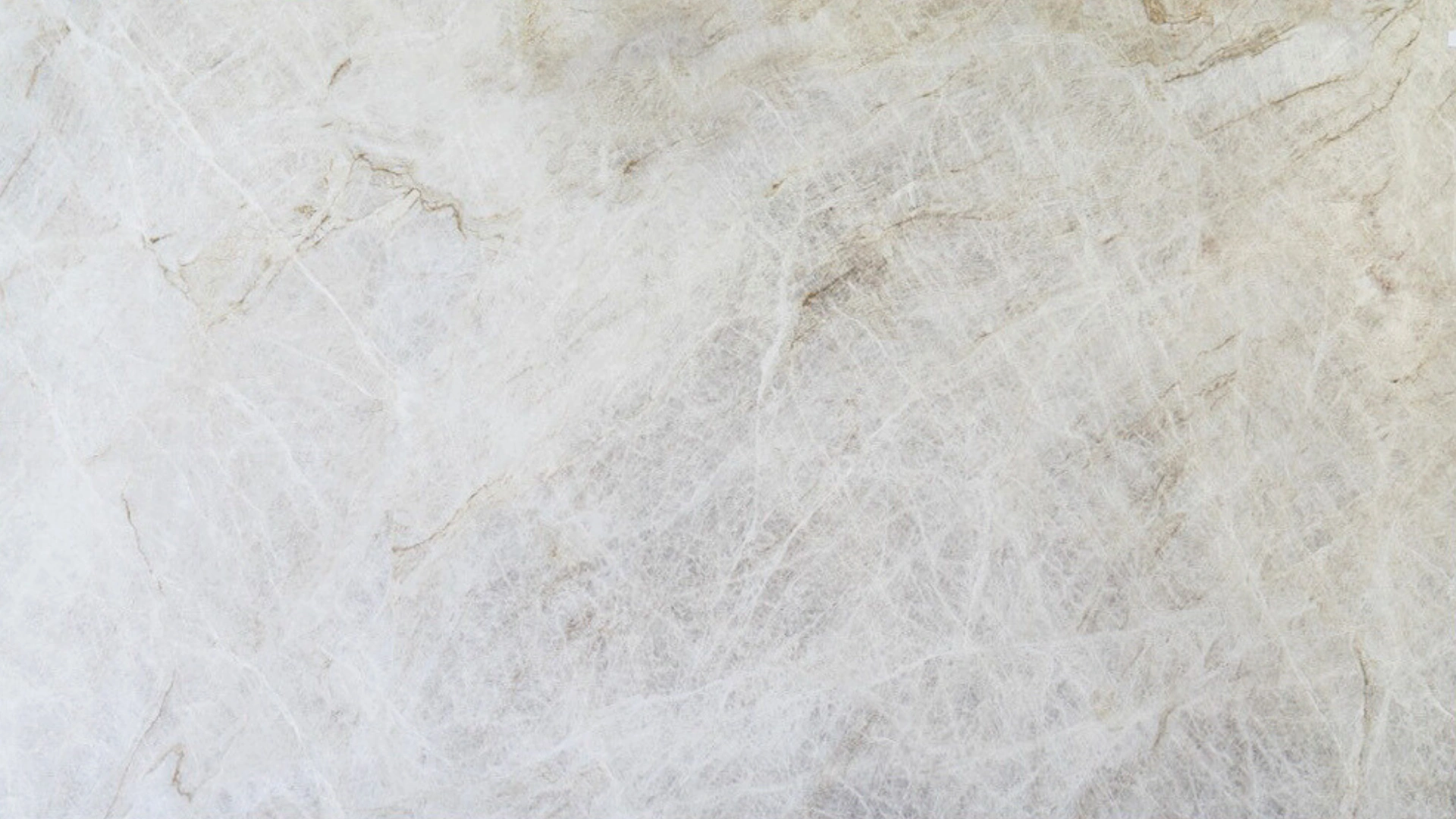
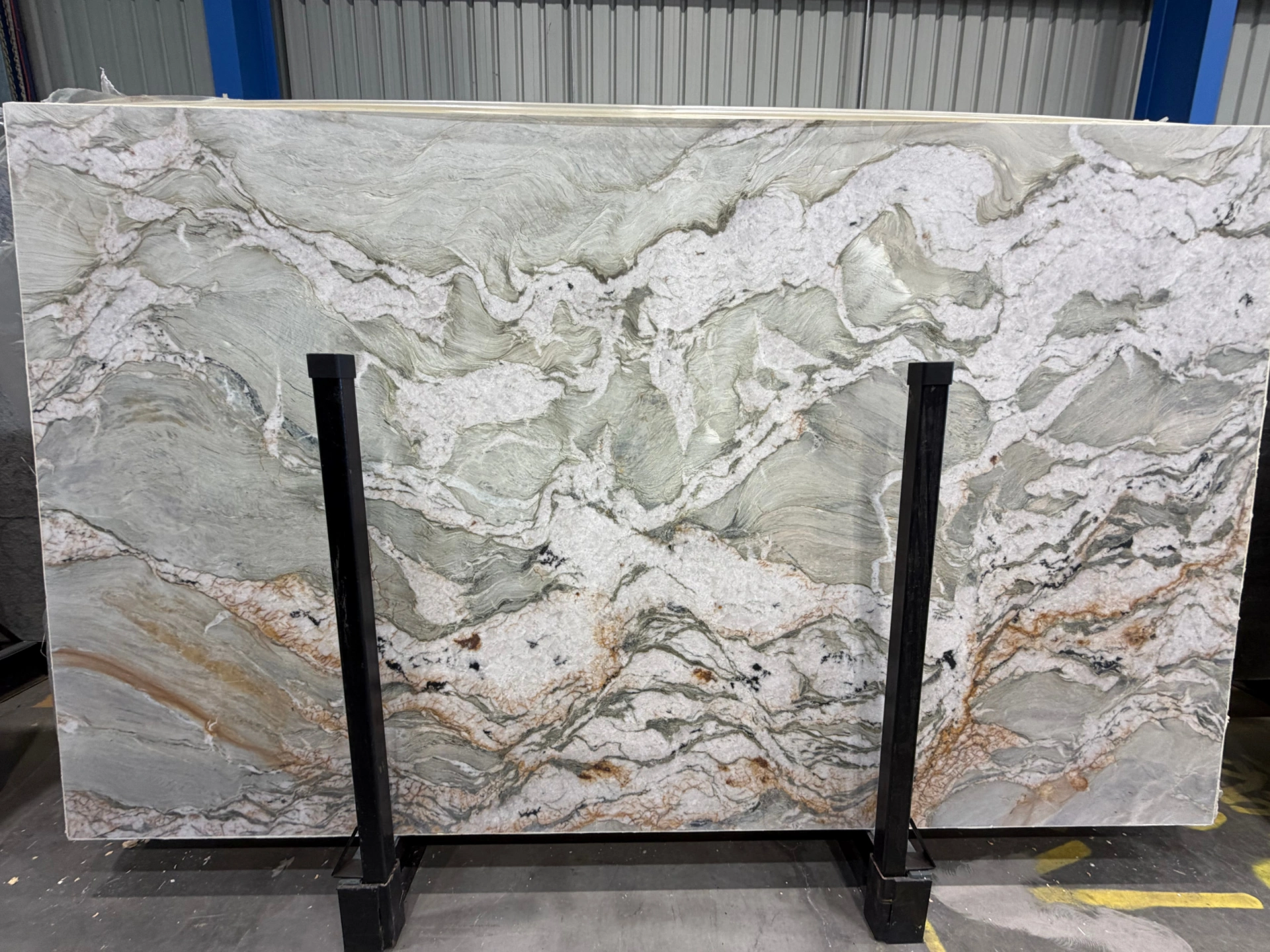
Every stone, one line each
Granite is hard (6-7 Mohs), low-porosity and barely etches. Seal every year or three; the densest slabs barely need it. Kitchens, bathrooms, floors and outdoors.
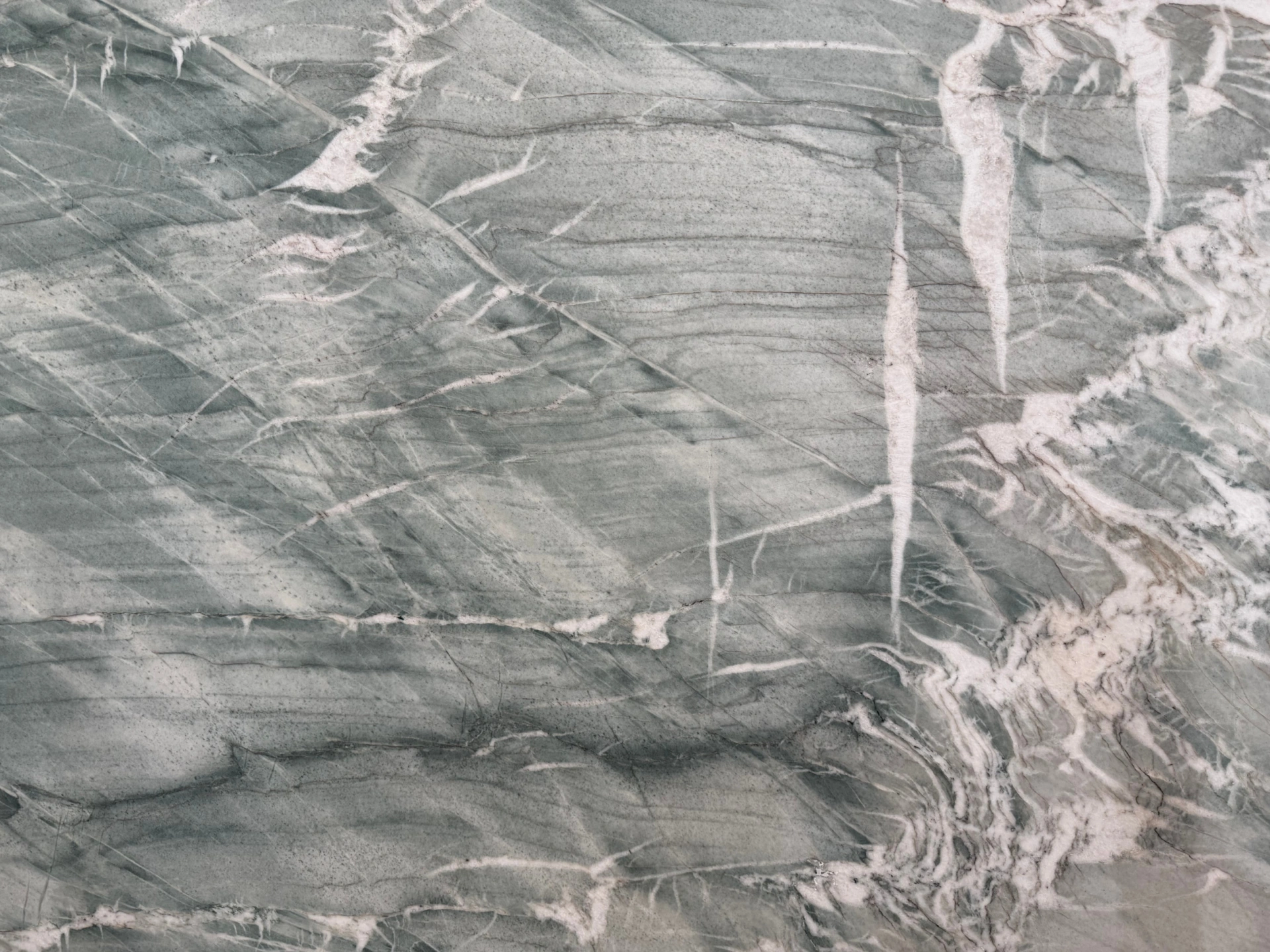
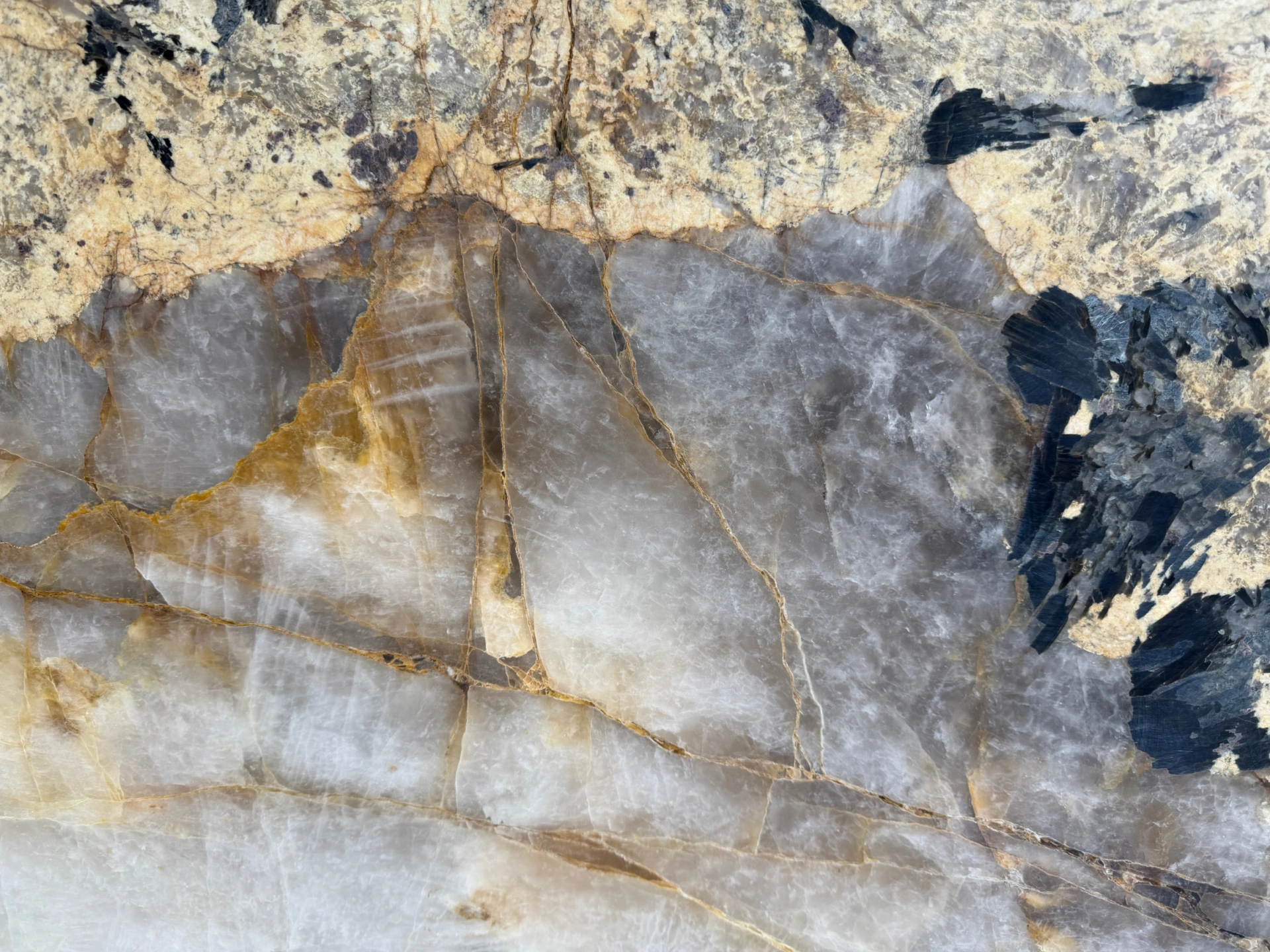
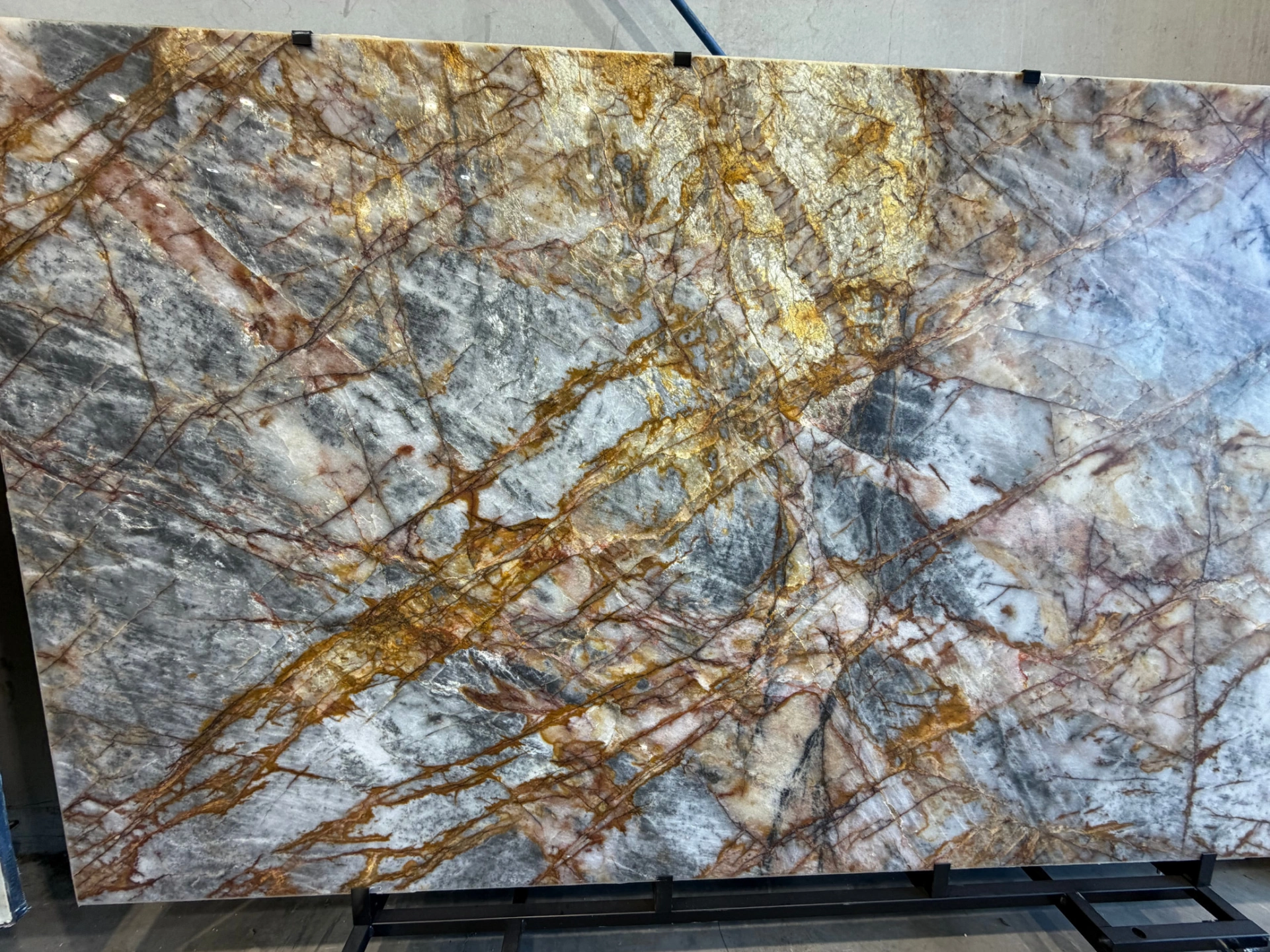
Quartzite (true quartzite) is the toughest of the lot: 7-7.5 Mohs, low porosity, ignores acid. Seal every year or two. Kitchens, splashbacks and any hard-working surface.
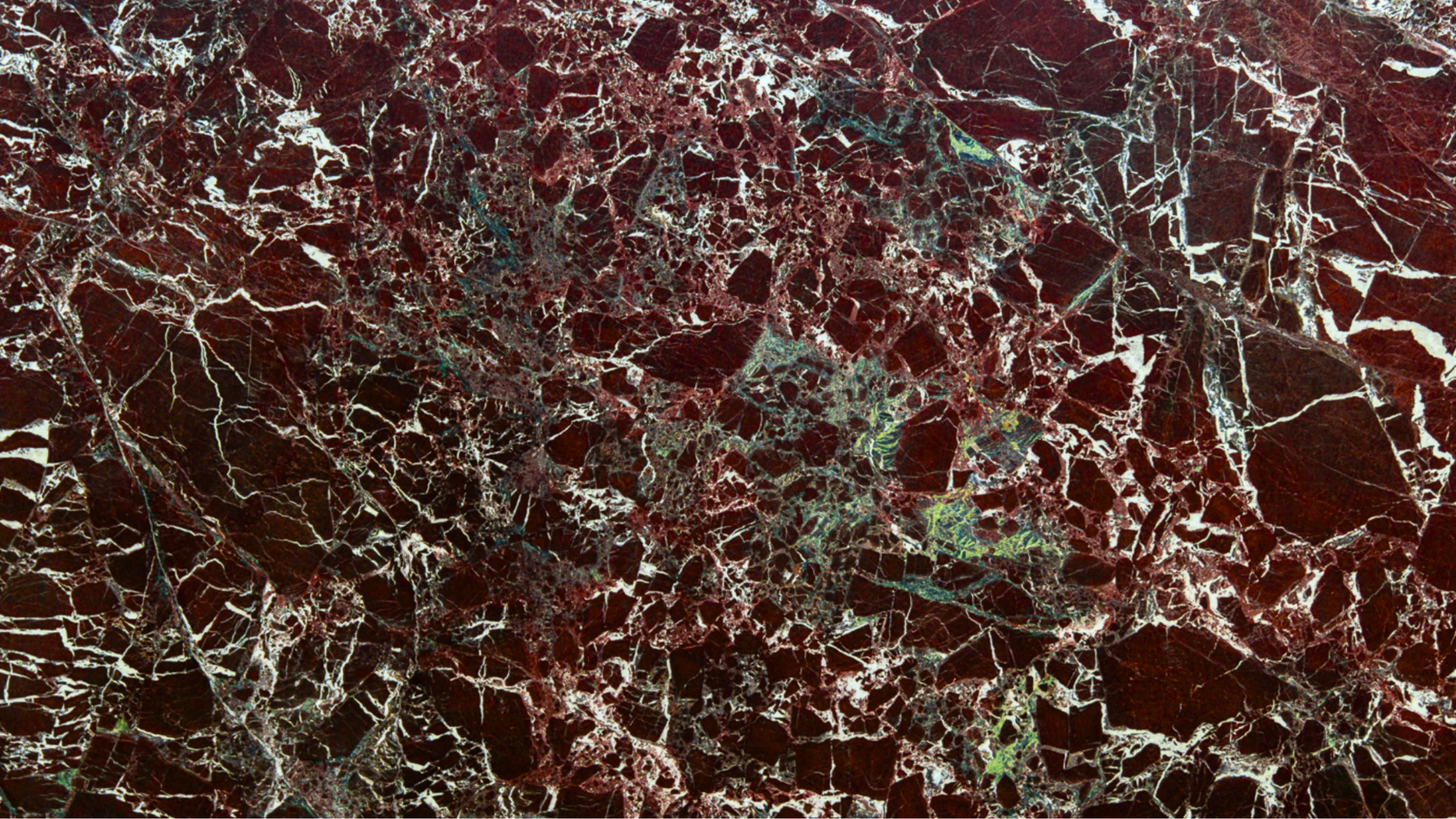
Marble is soft (3-4 Mohs), medium-porosity and etches readily. Seal every 6 to 12 months. Bathrooms, feature pieces and low-use kitchens, or any kitchen if you'll embrace the patina.
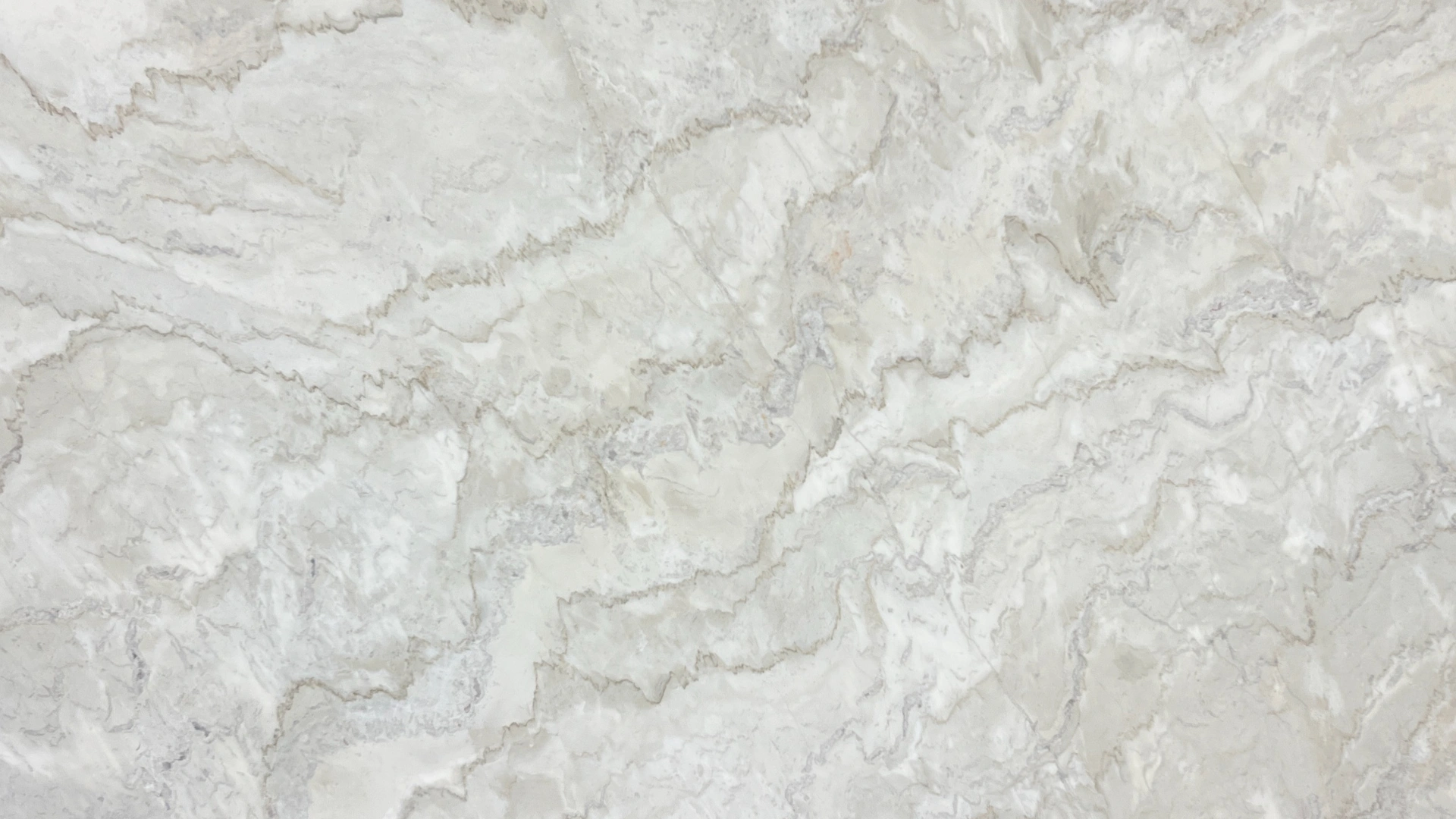
Dolomite is marble's slightly tougher cousin (3.5-4 Mohs) that etches more slowly but still etches. Seal every 6 to 12 months. Kitchens if you'll seal it and wipe acids promptly; bathrooms and features otherwise.
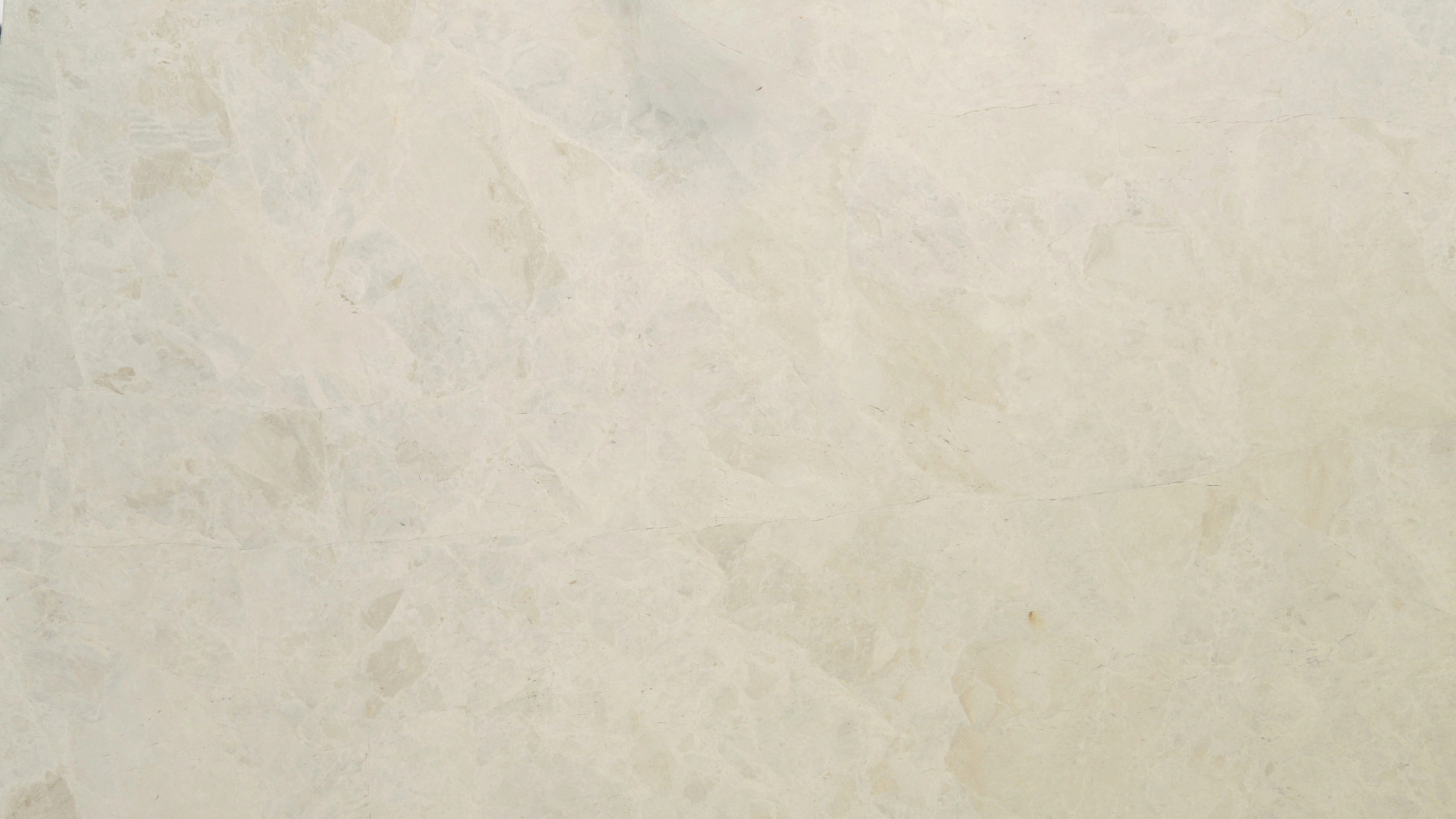
Limestone is soft (3-4 Mohs), thirsty and acid-sensitive, in warm creams and beiges often flecked with fossils. Seal every 3 to 6 months. Bathrooms, floors and features, never a working benchtop.
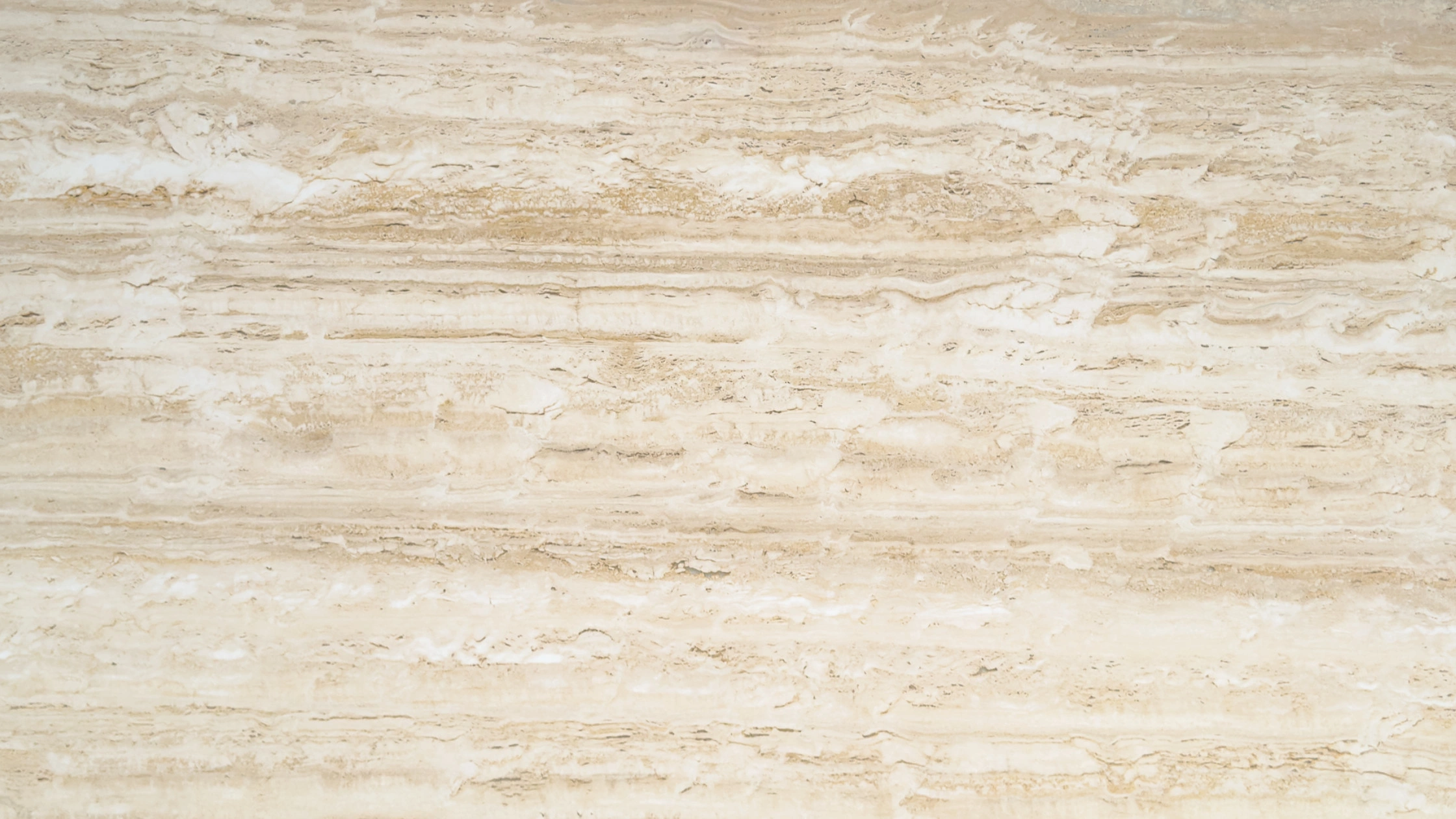
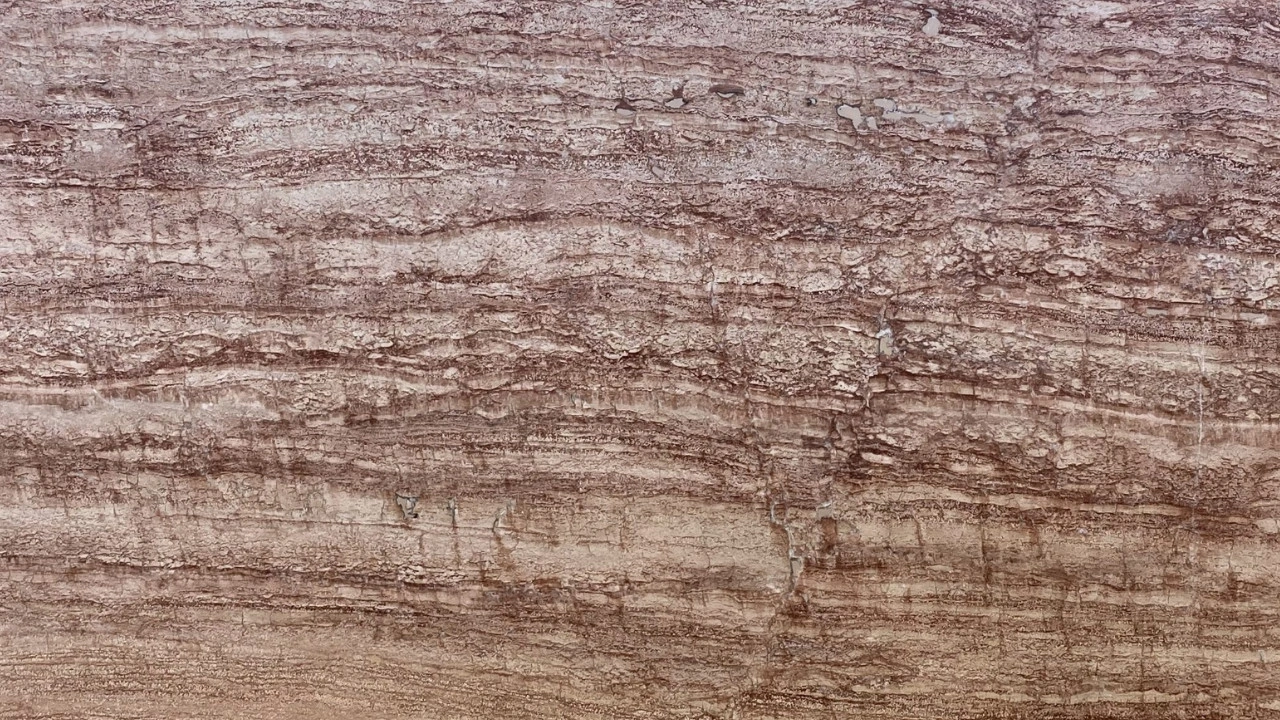
Travertine (3-4 Mohs) is limestone with a banded, pitted texture, much of it Turkish. Same softness and acid-sensitivity, plus natural holes that need filling. Floors, walls, bathrooms and pool surrounds.
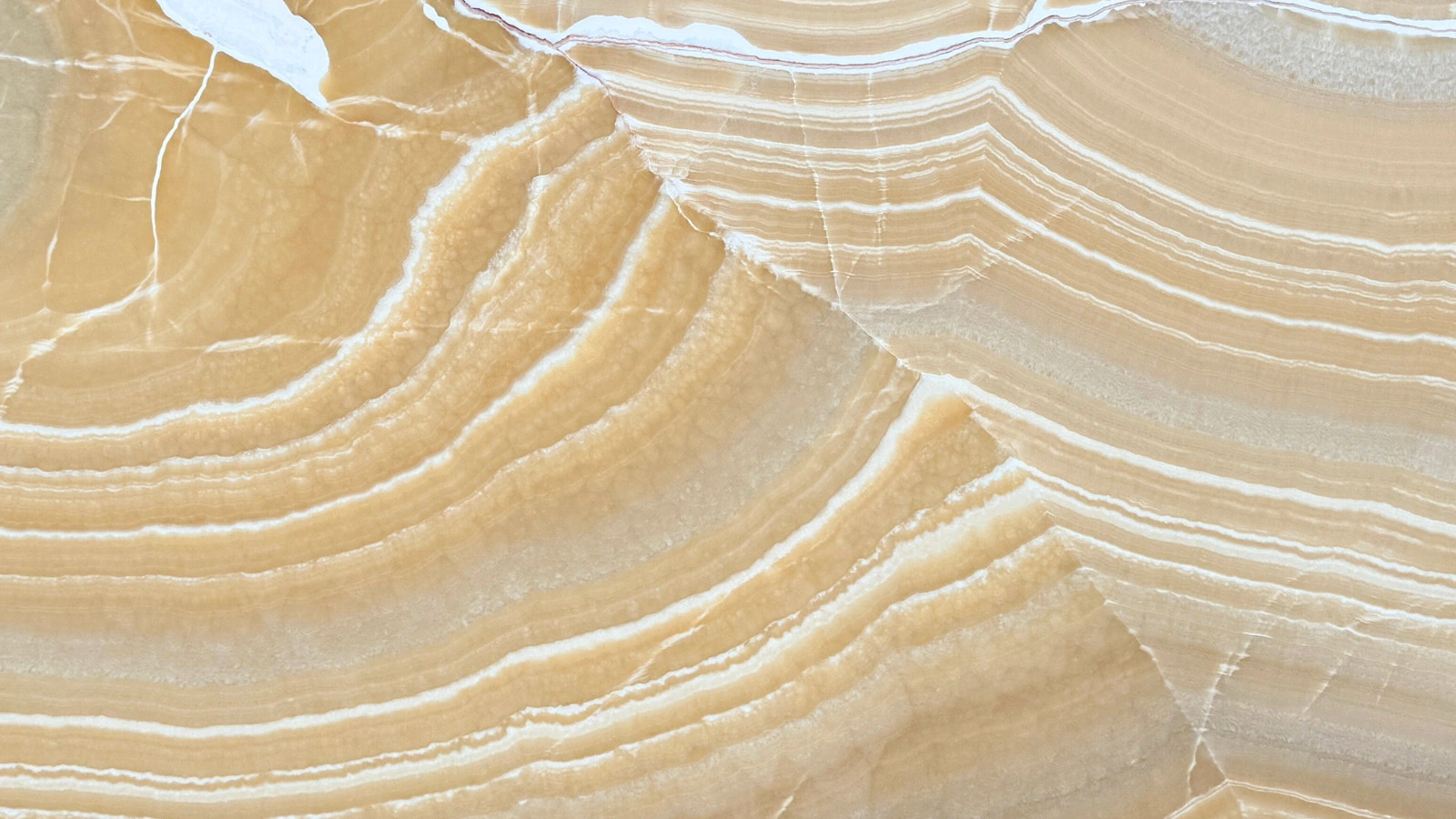
Onyx is a translucent, banded showpiece that can be backlit to a glow, but it's soft (3-4 Mohs), porous, brittle and highly acid-sensitive. Seal every 6 to 12 months. Backlit feature walls and bar fronts only, never a benchtop.
Soapstone is the surprise: soft (2.5-3.5 Mohs), so it scratches and dents, but non-porous and completely acid-proof, so it never etches or stains. No sealer needed at all; an occasional wipe of mineral oil just deepens the colour faster. A great working kitchen surface for people who like a lived-in look.
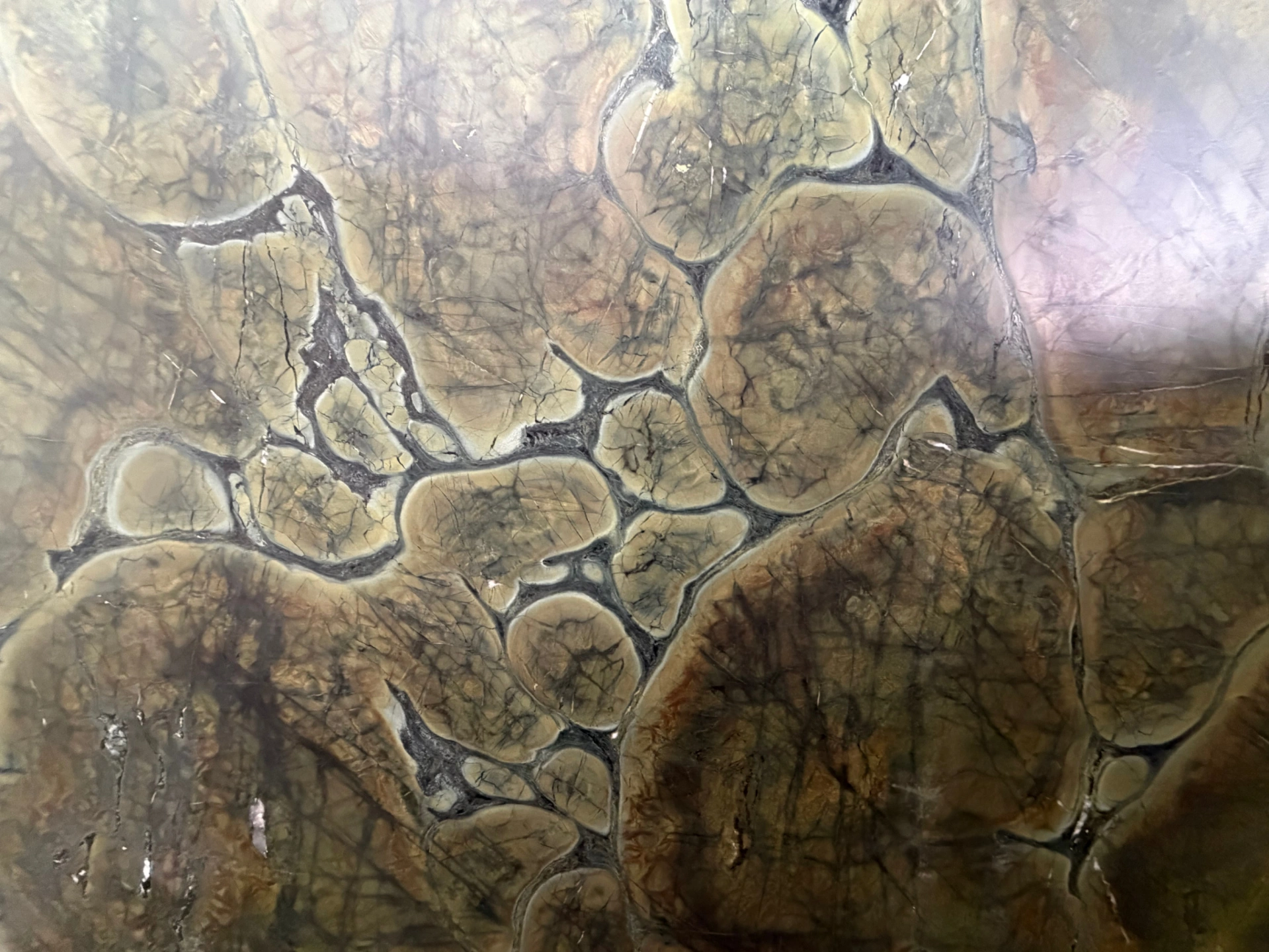
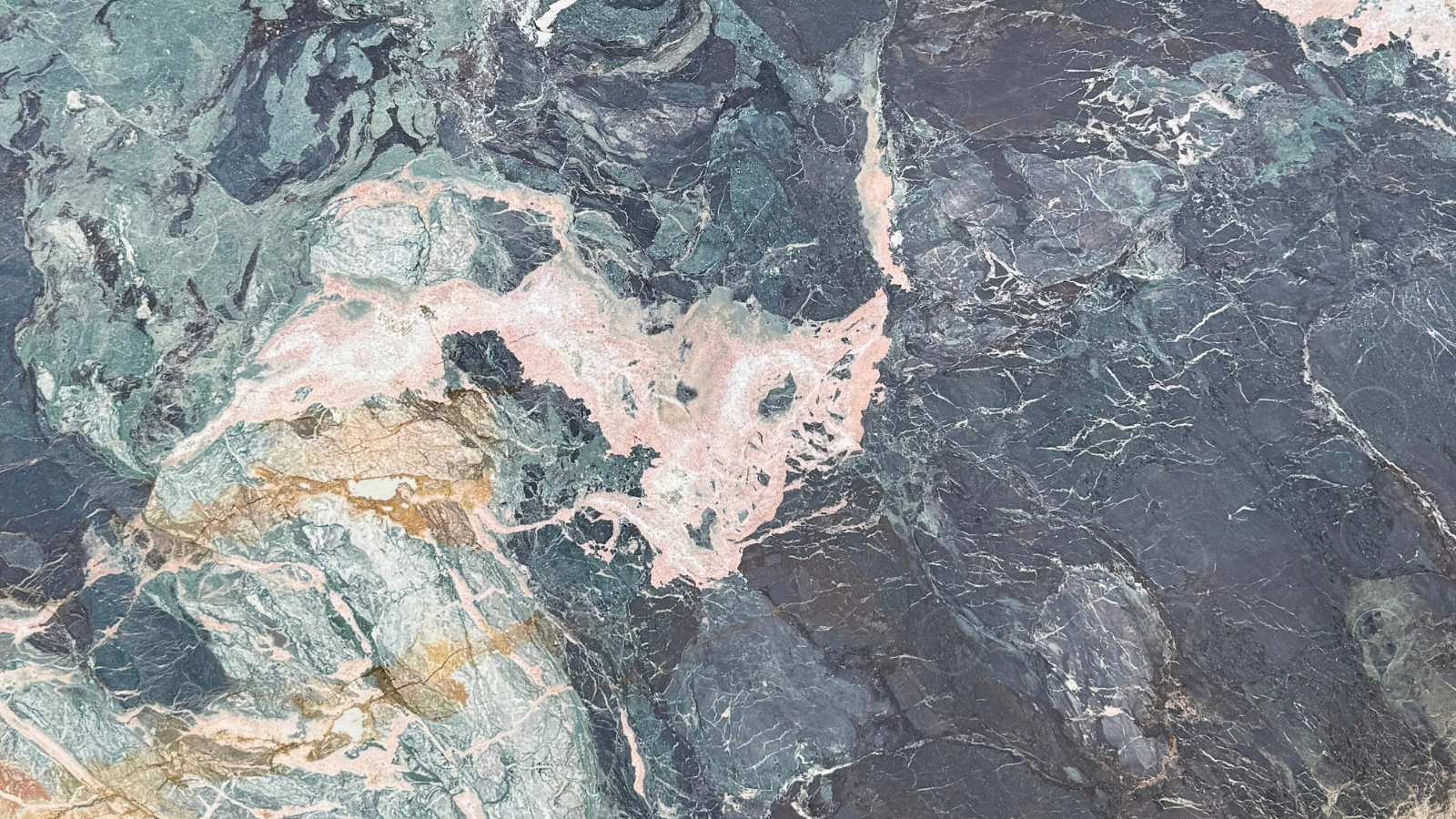
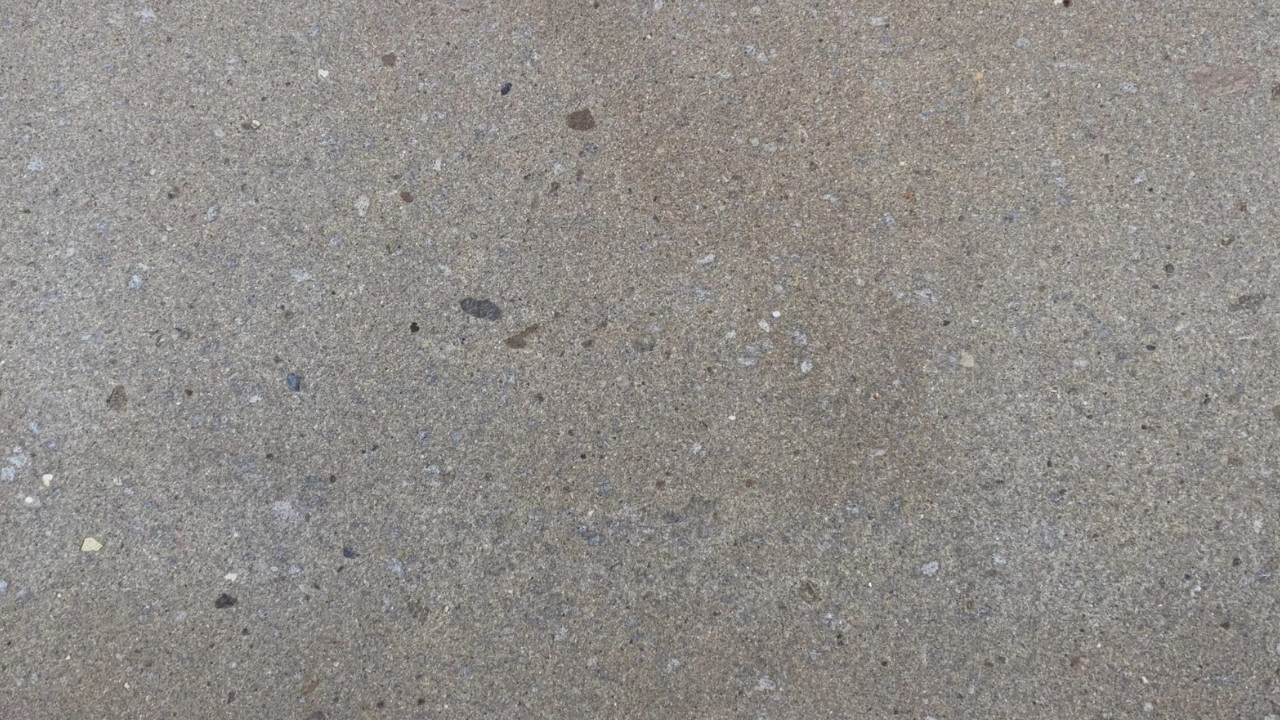
Slate (2.5-4 Mohs) is a fine-grained, layered stone in charcoal, grey-green, purple and rust. Moderately soft on paper but tough in practice, low-porosity and only mildly acid-sensitive. Floors, splashbacks, feature walls, hearths and outdoor areas.
Figures are typical ranges; natural stone varies between slabs and quarries. Always confirm what the actual slab is before you buy.
Finishes change everything
The same slab wears very differently depending on its finish. Polished is glossy, deepens colour and veining, and shows every etch and water spot, so it belongs on granite and quartzite. Honed is smooth matte and hides etching, scratches and fingerprints, which makes it the smart choice for marble, dolomite and limestone; the trade-off is that stains soak in slightly faster, so seal and wipe promptly. Leathered is a textured, low-sheen finish popular on darker granites, and tumbled gives travertine, limestone and slate an aged surface for floors and walls.
The rule of thumb: the softer and more etch-prone the stone, the more a honed or textured finish will save you grief.
Sealing and everyday care
Sealing slows staining by slowing how fast liquids soak in. It does nothing for etching. For benchtops, use a penetrating (impregnating) sealer rather than a topical coating: it soaks in below the surface, doesn't change the look, and lasts years rather than months. Test any sealer or cleaner on an offcut or hidden corner first.
The intervals in this guide assume a hard-working kitchen bench. Scale them with use: a bathroom vanity can stretch longer, and a decorative plinth or entry feature that never sees a spill may never need resealing at all. The calendar is only a prompt; the real test is the stone itself. Leave a few drops of water on the surface for 10 to 15 minutes. If it beads, the seal is good; if it soaks in and darkens the stone, reseal.
Day to day: pH-neutral stone cleaner only (never vinegar, bleach or generic spray-and-wipe, which etch calcium stones or strip sealer), wipe acidic spills promptly, use boards and trivets, and blot rather than wipe a fresh spill. Keep rust removers and toilet cleaners away from every stone; some contain acids strong enough to attack even granite and quartzite. And if a marble or dolomite top does etch, it's not fatal: a stone professional can usually polish or hone the mark out.
Mislabelling: know what you're actually buying
Commercial stone names and geological reality part ways constantly, right across the trade. Slabs sold as "granite" can be gabbro or gneiss, "marble" gets applied to anything that polishes well, and "quartzite" is the worst offender: slabs sold at a quartzite price frequently turn out to be dolomite, which is softer and etches, so you overpay and get a surface that won't behave the way you were told.
Protect yourself by asking the supplier to confirm exactly what the stone is, geologically, and getting it in writing. Treat any bright, veined "quartzite" with healthy suspicion until it's confirmed. If you can get a small offcut or sample, there's a simple home test: leave a drop of lemon juice on it for 10 to 15 minutes. True quartzite ignores it; dolomite and marble go dull where the acid sat.
Where Melbourne's stone comes from
Almost none of it is Australian: local quarries produce mostly granite, and little of it ends up as benchtop slabs. Brazil supplies most of Melbourne's quartzite and dolomite, including the dramatic veined whites, greens and greys (Taj Mahal, Mont Blanc, Super White and similar) that have taken over Melbourne kitchens, along with plenty of granite. Italy and Greece quarry the classic marbles; Carrara, Calacatta and Statuario all come from Italy's Apuan Alps. Turkey supplies marble and most of the travertine, India much of the granite, Spain and Portugal the limestone, and China quarries marble and granite of its own on top of processing everyone else's.
But treat origin labels with the same suspicion as stone names. A slab sold as "Italian" may only have been processed in Italy: plenty of stone is quarried in Brazil, shipped to Italy or China for cutting and finishing, and sold under the processing country's flag. Ask where the stone was quarried, not just where it shipped from. And no country makes inherently better stone. Carrara's pedigree is real, but India and Brazil produce granites and quartzites as striking as anything from Europe; the striking Patagonia, for one, is claimed as Brazilian, Indian or Argentine depending on who's selling it. You're paying for the slab in front of you, not its passport.
The practical point: the same stone is quarried in commercial volumes and lands in multiple Melbourne yards. The slab you fell for in a glossy showroom is often the same material, or an honest match in the same colour family and finish, sitting in a warehouse across town without the showroom markup. That gap is the whole reason Stone Search exists.
Choosing by room
Kitchen benchtops take the most punishment. Best bets are true quartzite, granite and soapstone. Dolomite works if you'll seal it and wipe acids. Marble only if you'll embrace patina. Avoid limestone, travertine and onyx here.
Splashbacks see far less abuse, so you can be braver. Marble, quartzite, slate and even backlit onyx all shine, and a splashback lets you use a showpiece stone affordably.
Bathroom vanities tolerate softer stones because there's little heat and less acid. Marble, dolomite, quartzite, limestone and travertine all work, sealed appropriately.
Feature pieces such as a fireplace, plinth or feature wall are where you can go all-in on drama with minimal wear concerns. Onyx, marble, dramatic granite and bold quartzite are made for this.
Floors and outdoors favour slate, travertine, granite and limestone, with finish chosen for grip.
Where Stone Search fits
Buying stone rewards knowing the process and having someone work the yards on your behalf. Stone Search finds the same stone or an honest match at a Melbourne supplier without the showroom overhead. We use the holding period to confirm the stone and negotiate, and we help you navigate deposits, holds and delivery so you are not learning it all for the first time under time pressure. You only pay if you go ahead with a stone we've found that beats your quote.
We can also attend yard viewings with you, so you have someone in your corner reading the slabs and the terms on the day. Viewings are charged at an hourly rate whether or not you make a selection; on larger projects we usually offset that against our final fee, and on smaller jobs it's charged in addition to the fee.
Already been quoted, or about to start shopping? Send us the details and let's see if we can do better.
Andrew Mote · andrew@stonesearch.com.au · 0411 649 989 · www.stonesearch.com.au
This guide is general information to help you buy well, not legal, financial or contractual advice. Supplier terms vary, so always confirm deposits, refunds, payment timing and damage responsibility in writing with your specific supplier before you commit.